


Brittany-Normandy
A world of its own

Brittany is far more than a travel destination – it is a feeling, a way of life. A place filled with stories, legends and unique natural beauty. The Romans once called this western tip of Europe finis terrae, the end of the world. The Bretons, however, lovingly refer to it as Penn Ar Bed, the beginning of the world. And indeed, both are true.
Just a few hours from Switzerland, you will find a region full of contrasts. It’s often said that in Brittany you can experience all four seasons in a single day. Snow is rare – but water is everywhere. Around 2'700 kilometres of coastline shape this fascinating landscape.
In the north, Brittany appears like a finely drawn line on the horizon. Around Saint-Malo, the Emerald Coast enchants with light sandy beaches and small harbours that live in rhythm with the tides. Further west, the Pink Granite Coast reveals one of France’s most unusual landscapes: rose‑coloured rock formations sculpted by the sea into astonishing shapes.
In Finistère, Brittany becomes wilder and more rugged. The legendary Route des Phares, the maritime atmosphere of Brest and the dramatic cliffs of Crozon and the Pointe du Raz showcase the region in its purest form – where land seems to merge with the endless Atlantic.
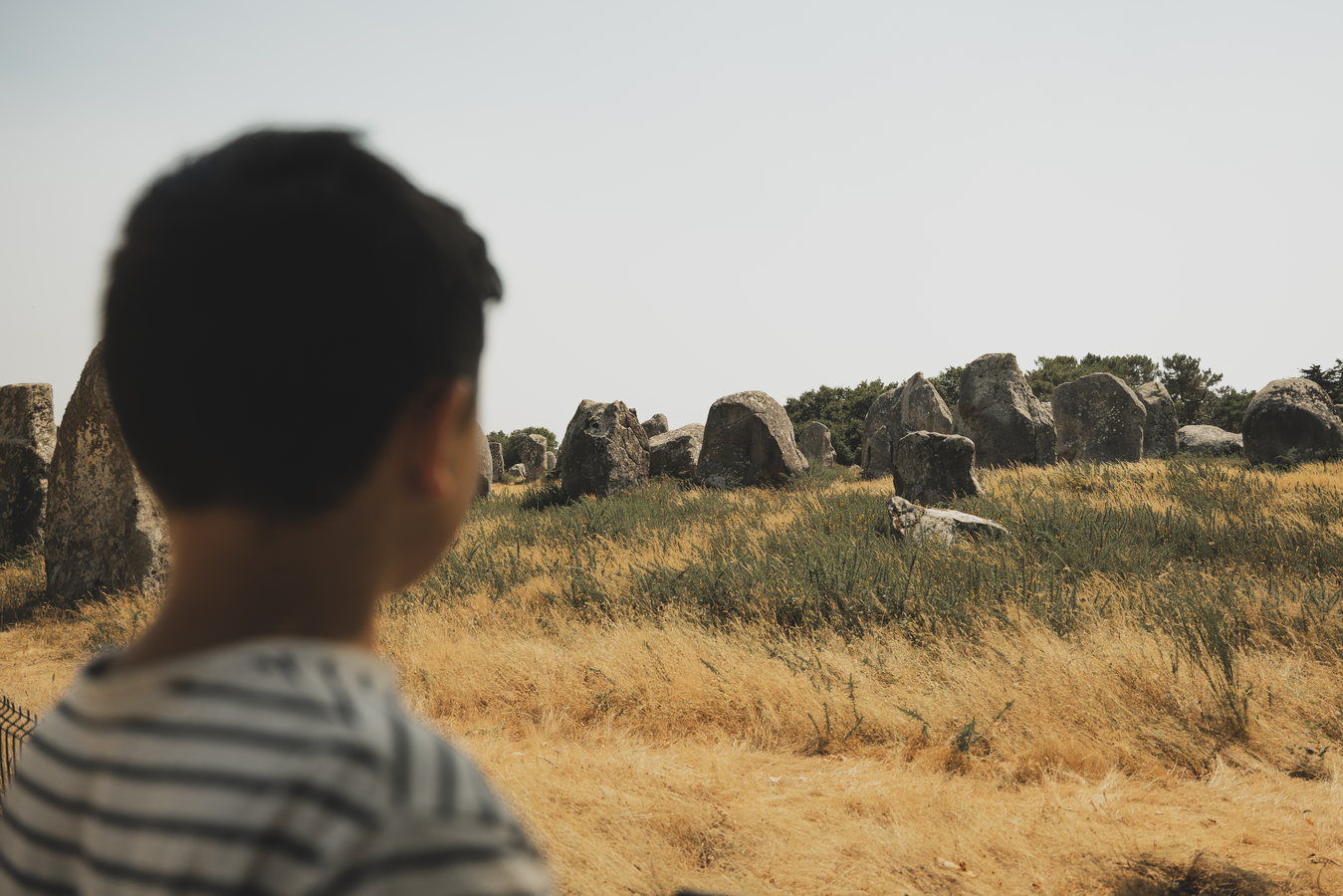
Southern Brittany is softer in its contours. In Quimper, narrow lanes and timber‑framed houses tell stories of art, culture and tradition. In Carnac, the world‑famous megalithic alignments whisper secrets from ancient times. Vannes and the Quiberon Peninsula invite you to experience islands and the sea up close.
The cities of Rennes and Nantes combine historic architecture with a creative, contemporary spirit. They are vibrant, dynamic and ideal for lovers of culture.
Whether north or south – everywhere you go, you’ll be welcomed with warmth and hospitality: the savoury aroma of a Breton speciality, the richness of salted butter, a glass of sparkling cider shared in good company, and conversations with locals that make the day complete. And you may even say goodbye with a heartfelt “Kenavo”.
Brittany is not just seen – it is felt. Every coastline, every harbour, every town tells its own story. Sometimes wild and powerful, sometimes quiet and poetic – the region offers countless facets. Those who visit once often take something home: an idea, a memory, a feeling. You arrive as a guest and leave with a bit of Brittany in your heart.
Place of Renewal
Brittany is a true source of strength: salty sea air, fresh forest breezes and landscapes shaped by wind and waves. Here, the horizon invites you to recharge and refocus on what truly matters.
A touch of sea spray, endless open space and nature as a source of well‑being – Brittany offers room for complete relaxation. Whether in lush greenery, along clear rivers or on the salty coastline: let yourself drift, enjoy the moment… and take a deep breath.

Land of Legends
In Brittany, culture isn’t just observed – it’s lived. The region welcomes visitors with a warm, subtly salty smile, full of simple poetry and genuine emotion. A fest‑noz, a harbour glowing in the evening light, an intricately carved calvary or a lighthouse standing strong against the wind – all of these moments make Brittany truly come alive.
Between proud castles, hidden chapels and historic manor houses, you’ll discover a land that treasures stories and celebrates traditions. A region that touches the heart in every season – and whose magic stays with you long after your journey ends.
Land of Flavours
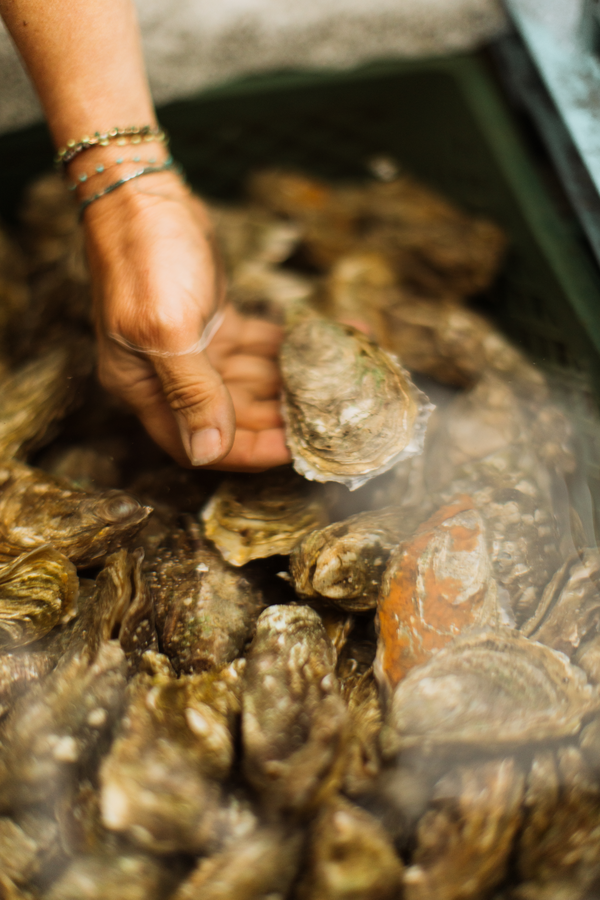
Brittany is full of surprises – especially on the plate. Forget the clichés: this region offers far more than crêpes and galettes. Iodine‑rich oysters, gently seared scallops, crisp kouign‑amann, salted caramel, sparkling cider, the famous Plougastel strawberries, or even buckwheat whisky – Brittany’s cuisine is authentic, diverse and full of character.
Whether sweet or savoury, Brittany delights every palate. From colourful market stalls in small harbour towns to a fresh seafood platter overlooking the open sea – here, pleasure is a way of life. And every bite tells a story of Brittany.
Land of Adventures
Brittany is the perfect place to recharge, explore nature and push your limits. Wide open landscapes, fresh sea air and an unspoilt environment invite you to get moving and experience every moment to the fullest.
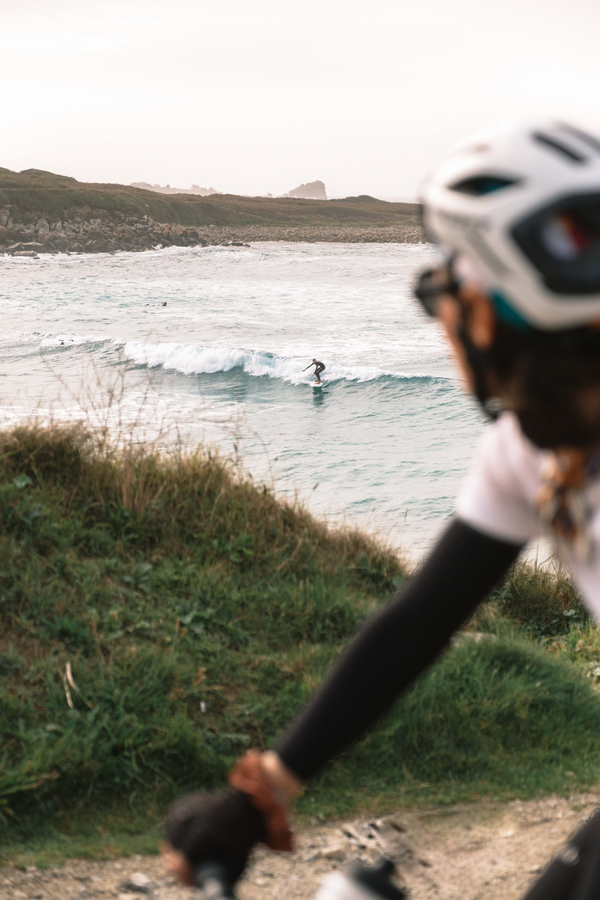
Whether on a bike, in a kayak, hiking along spectacular coastal paths or gazing out over the open Atlantic – every activity becomes an adventure. Changing light moods, the sound of the waves and the unique power of the wind accompany you along the way.
Here, at the edge of Europe, every movement feels like a small new beginning. Let yourself be carried by the moment, collect unforgettable impressions – and enjoy adventures without limits.
Frequently asked questions
-
Among the most famous sights in Normandy are Mont-Saint-Michel, the D-Day landing beaches, the chalk cliffs of Étretat, and the cities of Caen and Rouen. Mont-Saint-Michel lies on the border with Brittany and is famous for its monastery island and the dramatic tidal range. The landing beaches, such as Omaha Beach and Gold Beach, the Norman ducal castle in Caen and the Gothic cathedral in Rouen each represent key historical and scenic features of the region.
-
The right holiday destination in Brittany depends above all on your interests. City breakers will find Saint-Malo, Rennes and Quimper to be easily accessible towns offering historic centres, culture and fine dining. For beach holidays, the south coast around Quiberon and the Gulf of Morbihan, with their quieter bays, are particularly suitable. Those seeking rugged coastlines and nature will find what they’re looking for in Finistère, at places such as the Pointe du Raz or on the Crozon Peninsula.
-
The best time to visit Normandy and Brittany is generally between spring and autumn. In spring, mild temperatures mean fewer visitors, whilst summer brings the warmest days and the peak season along the coast. Autumn, particularly September, is considered a quieter period with often stable weather, although Normandy is more influenced by the English Channel and Brittany by the Atlantic.
-
The main differences between Brittany and Normandy lie in their location, landscape and climate. Brittany lies on the Atlantic coast and is characterised by rocky shores and open stretches of coastline, whilst Normandy lies on the English Channel and is known for its chalk cliffs, wide beaches and historic landscapes. In terms of climate, Brittany is more strongly influenced by the Atlantic and is often windier, whilst Normandy, by comparison, has somewhat calmer weather conditions.
The sea is never far away