

The Viennese Way of Life: A culture of indulgence for all the senses | railtour travel blog

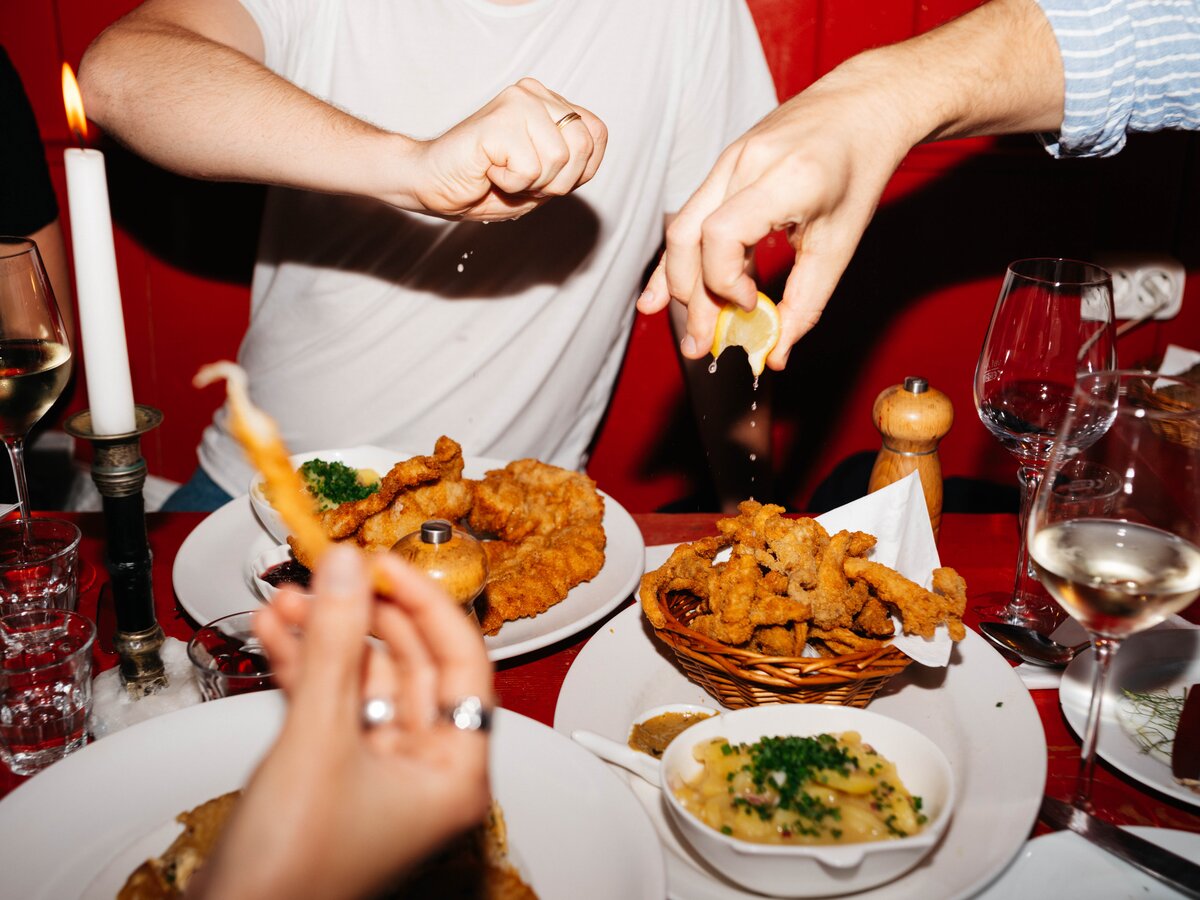
Viennese people like to take it easy. The Viennese «Beisl» pubs are just as cosy, having always served up hearty home-style cooking, from schnitzel to Kaiserschmarren. The fine wines from Vienna’s 600 hectares of vineyards are lso highly prized: Riesling, Pinot Blanc and the Wiener Gemischter Satz, a speciality awarded the DAC seal of quality, in which grapes from at least three white wine varieties are planted and pressed together. Vienna’s Heurigen culture, the Viennese sausage stand and the traditional Viennese coffee house culture are all part of UNESCO’s Intangible Cultural Heritage. In Vienna, there is something to delight the palate in every district, particularly at the Naschmarkt with its variety of international specialities and dining options. Numerous culinary events, from the Genussfestival in the Stadtpark to the Vienna Wine Walking Day and restaurant weeks, add further sensory dimensions to the experience.
Viennese cuisine: tradition steeped in history
Vienna has a distinctive culinary identity in the form of Viennese cuisine: Viennese cuisine is the only cuisine in the world named after a city. It is authentic and a unique selling point, combining uniqueness and tradition, whilst also being continuously modernised and developed. As a unique ethnic cuisine, it is shaped by influences from Bohemia, Hungary, the Balkans and Italy. Bohemian cooks had a particularly strong influence on Viennese cuisine in the 18th and 19th centuries. They worked in the households of Vienna’s upper middle class and nobility, bringing with them dishes and recipes from their Bohemian homeland, which over time became an integral part of Viennese cuisine. In the 19th century, the typical Viennese cuisine as we know it today took shape.
250 years of the Albertina
The Albertina not only houses one of the world’s largest and most valuable collections of prints, but also showcases masterpieces of Classical Modernism in its permanent exhibition «From Monet to Picasso».
In its permanent exhibition, the Albertina showcases the most exciting art movements of the last 130 years: from French Impressionism through German Expressionism and the Russian avant-garde right up to the present day. Monet’s «Water Lilies», Degas’s «Dancers» and Renoir’s «Portrait of a Girl» can be admired alongside paintings by Beckmann, Chagall, Picasso, Malevich, Warhol and Katz.
The Albertina will celebrate its 250th anniversary in 2026. As part of the special exhibition «Collecting for the Future», Dürer’s «Hare» will be on display between June 19th and October 11th, amongst other works.
Vienna, Grand New
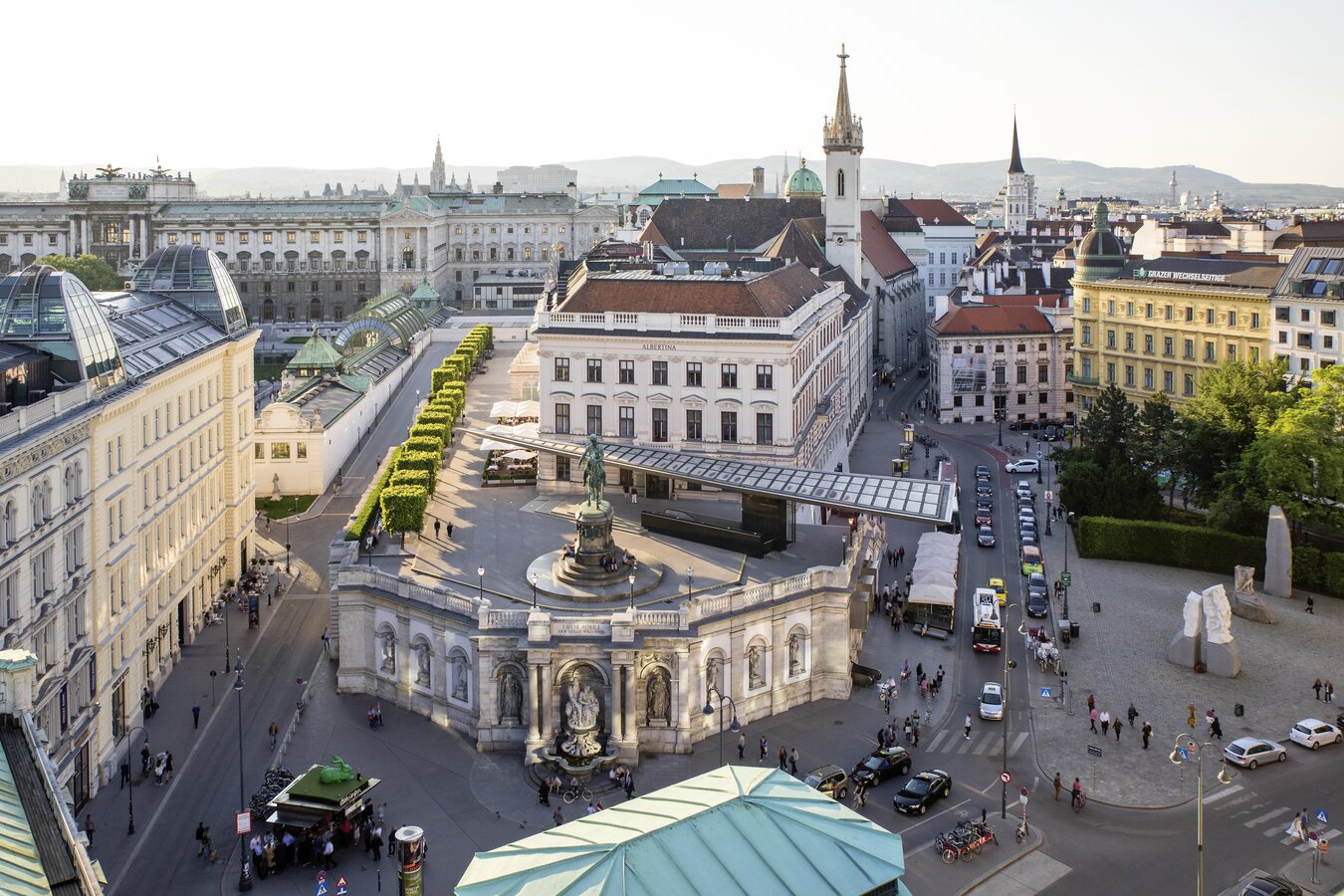
The 2027 Theme Year presents imperial Vienna not as an isolated and historical imperial world, but as something that continues to have an impact on the city to this day. This refers not only to well-known landmarks such as the Hofburg, Schönbrunn and the Ringstrasse, but also to rituals, attitudes and ways of life that extend from the Danube Monarchy into the present day. Vienna thus appears not as a historical stage set, but as a real urban space in which a bygone empire lives on in architecture, coffee-house culture, theatre and concert-going, language and urban codes. This is precisely where the strength of the theme lies: the well-known asset of «Imperial Vienna» is not imbued with nostalgia, but interpreted in a contemporary way.